The Tiger In You: A Reflection on Identity and Authenticity
Inner Me Wellness · 7 October 2026 · 4 min read
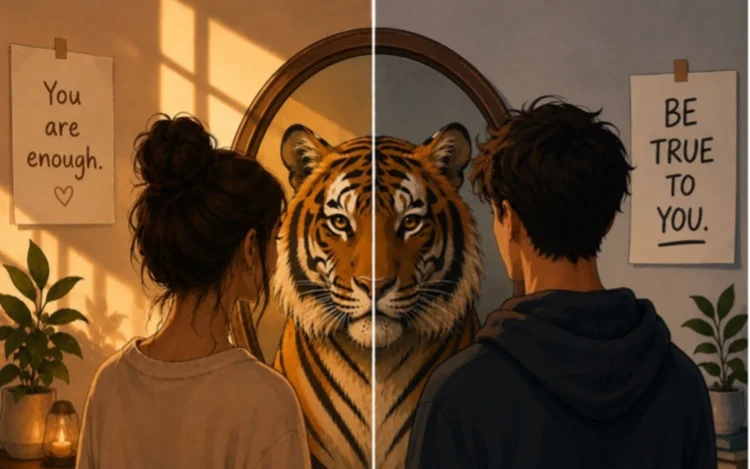
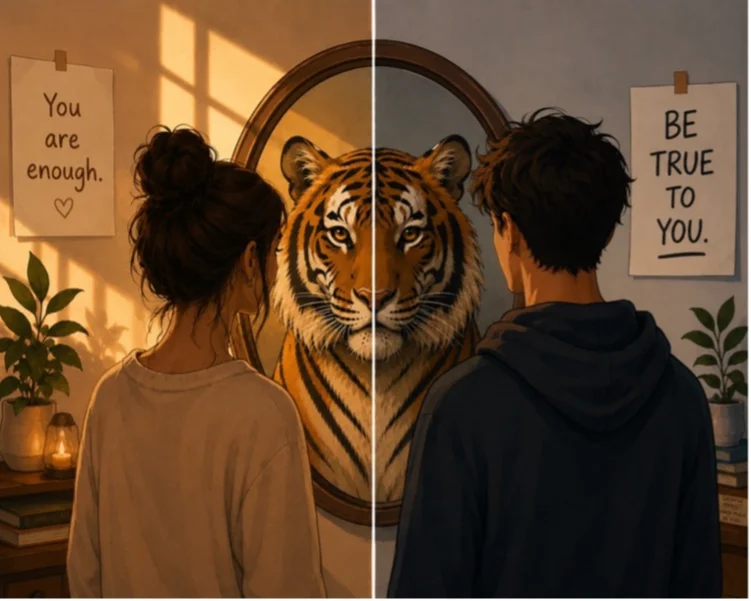
A tiger never changes its stripes to be accepted by the jungle. A tiger does not apologise for its stripes. The tigers power simply lies in remaining what it was created to be. My question to you is ; have you ever changed your stripes? Not because you wanted to, but rather because you thought by doing so, only then would you be accepted, only then could you feel that you were being authentic to who you are.
We live in a world that constantly demands conformity in some type of way, which leads many individuals having to hide parts of who they truly are in order to feel accepted, understood or simply just “enough”. Yet if you think about this, it causes quite the paradox. Do we continue conforming in order to gain social acceptance and avoid rejection, even if it means abandoning our authentic self and drifting further and further away from our own identity. Or do we choose the more challenging option of being courageous enough to embrace who we truly are, regardless of the possibility of criticism, judgment, or rejection? And accept the reality that authenticity does not mean a guarantee that we will be accepted by others. However, it will allow us to develop a stronger sense of self, deeper emotional wellbeing, and genuine interpersonal connections. Authenticity allows us to gain emotional freedom, self-trust, confidence, inner peace, stronger identity, healthier boundaries and reduced anxiety from “performing”
So what is it that makes being authentic so difficult? Why do we learn to hide parts of ourselves? Why do so many people overtime lose connection with who they truly are? Well the truth is that struggling with authenticity is completely normal. From an early age, we learn to shape ourselves in ways that increase the potential of us being accepted which leads to us having a sense of belonging. Besides this being authentic is so difficult because of factors such as fear of rejection, fear of judgment, societal expectations, emotional invalidation, and the desire to be liked can gradually distance individuals from their true identity. Lastly, let’s be real for a brief moment, in many cases, and maybe you can also relate to this, many people were never taught that expressing their authentic selves was safe, and maybe that’s because sometimes we become so addicted to the feeling of being liked that we simply forget whether we even like ourselves.
I can carry on writing about authenticity, why it’s important , why we should be our authentic selves, but what benefit would that be when the reality is that being authentic is extremely difficult and quite frankly dauntingly scary. However, for a moment, I ask you this, what is more difficult, working towards being authentic? or the cost of inauthenticity? What I mean by this is everything it costs you when you live from a space of inauthenticity. The emotional exhaustion, the anxiety, the identity confusion, the resentment, the loneliness, feeling unseen, the burnout, the lack of fulfilment. All of these factors create a different type of grief, not a loud one, not one that can be seen by others. Instead it creates a grief we chose to ignore because its silence is so quite yet so loud. This grief is the quiet grief in abandoning yourself just to be accepted by others.
You see authenticity is not becoming someone new. Quite the opposite actually, authenticity is simply navigating the journey of returning to who you were before the world told you who to be. You might be thinking but how do I do that? Where do I even start? Self-awareness is enough to start the journey of being authentic, such as , noticing where you perform or recognising where you shrink yourself to fit in, identifying your values and beliefs, learning to tolerate disapproval, setting your boundaries and lastly being emotionally honest, which looks like; expressing needs, saying no, admitting feelings, allowing vulnerability. Having the courage to reconnect with your identity by asking yourself, What feels true to me? What parts of myself have I hidden? Who am I when I am not performing?
And so, I leave you with this: the tiger is certainly not liked by very animal in the jungle yet the tiger never questions whether it deserves to exist within the jungle despite not being liked by every animal. The tiger never changes it stripes to be accepted by the jungle, it simply knows it already belongs. Perhaps authenticity is similar. Not everyone will understand you, agree with you, or accept you, but losing yourself in order to belong will always cost more than rejection ever could. Somewhere along the way, humans learned to trade authenticity for acceptance, while forgetting that belonging should never require self-betrayal.